Fencing for Swimming Pools: Safety, Style, and Smart Design Choices
Swimming pools are a source of relaxation, fun, and fitness—but they also come with serious safety responsibilities. One of the most effective and widely recommended safety measures is fencing for swimming pools. Pool fencing isn’t just a box to tick for regulations; it’s a crucial layer of protection that can prevent accidents, enhance privacy, and even elevate the overall look of your outdoor space.
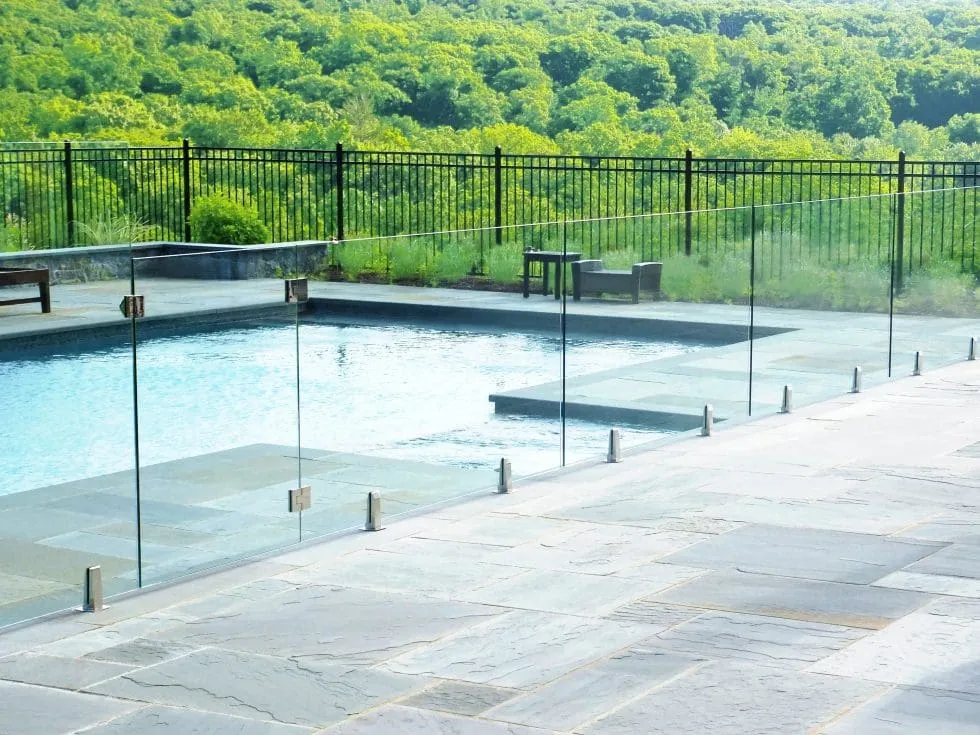
In this article, we’ll explore why fencing for swimming pools matters, the different types available, key safety standards, and how to choose the right option for your home.
Why Fencing for Swimming Pools Is Essential
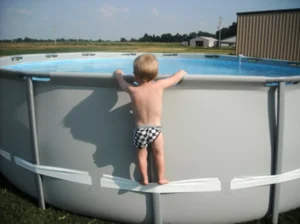
The primary purpose of pool fencing is safety. According to multiple safety organizations worldwide, unrestricted access to swimming pools significantly increases the risk of drowning—especially for young children and pets. Proper fencing creates a physical barrier that helps prevent unsupervised or accidental entry into the pool area.
Unlike covers or alarms, fencing for swimming pools works passively. It doesn’t rely on someone remembering to activate it or responding to a warning. Once installed correctly, it’s always doing its job.
Beyond safety, pool fencing also helps:
- Define the pool area clearly
- Reduce liability for homeowners
- Keep pets out of the water when unattended
- Improve privacy from neighbors or passersby
In many regions, pool fencing is also a legal requirement, with specific rules around height, gate functionality, and spacing.
Common Types of Fencing for Swimming Pools
There’s no one-size-fits-all solution when it comes to pool fencing. The best choice depends on your budget, aesthetic preferences, local regulations, and how the pool area is used.
1. Glass Pool Fencing
Glass fencing is one of the most popular modern options. Made from toughened safety glass, it offers an unobstructed view of the pool while maintaining a strong safety barrier.
Pros:
- Sleek, modern appearance
- Maintains visibility for supervision
- Weather-resistant and durable
Cons:
- Higher upfront cost
- Requires regular cleaning to remove water spots
Glass fencing for swimming pools is especially popular in homes where design and visibility are top priorities.
2. Aluminum and Metal Pool Fencing
Metal fencing, often made from aluminum or steel, is a classic and cost-effective choice. It’s strong, durable, and available in various styles and colors.
Pros:
- Affordable and long-lasting
- Low maintenance
- Complies easily with most safety codes
Cons:
- Can partially obstruct views
- More utilitarian appearance
This type of fencing for swimming pools is ideal for families focused primarily on safety and practicality.
3. Mesh Pool Fencing
Mesh fencing is lightweight, removable, and designed specifically for child safety. It’s commonly used by families with young children.
Pros:
- Designed to be climb-resistant
- Can be removed temporarily
- Softer visual impact
Cons:
- Less durable long-term
- More functional than decorative
Mesh fencing for swimming pools is often used as an additional or temporary safety solution.
4. Wood and Composite Fencing
Wood fencing offers privacy and a natural look that blends well with landscaping.
Pros:
- High privacy
- Customizable designs
- Warm, traditional appearance
Cons:
- Higher maintenance
- Can weather or warp over time
When using wood, it’s especially important to ensure it meets safety spacing and height requirements.
Key Safety Standards to Consider
While specific regulations vary by location, most safety standards for fencing for swimming pools include:
- Minimum height requirements (often around 4 feet or higher)
- Self-closing, self-latching gates that open outward
- No climbable features near the fence
- Narrow spacing between vertical bars to prevent children from slipping through
Always check local building codes and safety regulations before installation. Compliance not only keeps your family safe but also protects you legally.
Balancing Safety and Design
One common misconception is that fencing for swimming pools has to look unattractive or industrial. Modern materials and design options make it easier than ever to combine safety with style.
For example:
- Frameless glass fencing pairs well with contemporary homes
- Powder-coated metal fencing can match outdoor furniture
- Strategic landscaping can soften the appearance of fences
The key is to plan pool fencing as part of the overall outdoor design, rather than treating it as an afterthought.
Installation and Maintenance Considerations
Professional installation is strongly recommended for pool fencing. A poorly installed fence—no matter how high-quality the materials—can fail to provide adequate protection.
Maintenance depends on the material:
- Glass requires regular cleaning
- Metal should be checked for rust or loose fittings
- Wood needs sealing or staining over time
Routine inspections help ensure that fencing for swimming pools remains compliant and effective year after year.
Final Thoughts
Fencing for swimming pools is one of the most important investments a pool owner can make. It protects lives, meets legal requirements, and adds structure and style to your outdoor space. With a wide range of materials and designs available, there’s no need to compromise between safety and aesthetics.
Whether you’re installing a new pool or upgrading an existing one, choosing the right fencing for swimming pools ensures peace of mind—allowing you to enjoy your pool the way it was meant to be enjoyed: safely, confidently, and stress-free.